
If you’re planning your first flight with a baby, one of the biggest questions you’ll face is:
“Do I need to buy a seat for my baby, or can they sit on my lap?”
The short answer? Both options are allowed, and what works best often depends on your travel style, your baby’s temperament, your budget, and how long the flight is. Many parents (ourselves included!) have tried it both ways—and the opinions are just as varied as our kids’ snack preferences.
Here’s a breakdown of what’s allowed, what’s recommended, and what real parent travelers say about flying with a baby. Making an informed choice can help ease your concerns and set the stage for a smoother trip.
Understanding Child Air Travel: A Changing Landscape
Over the past decade, the way parents travel with infants has shifted considerably. More families are carefully planning their trips while keeping an eye on both cost and comfort. A 2022 survey found that roughly 18% to 25% of families chose to purchase a separate seat for their baby. With airlines now offering more child-friendly travel policies, many find that the option of an extra seat – especially one that can safely hold an FAA-approved car seat – is increasingly appealing. Still, every family’s situation is unique, and what works best for one might not suit another.
What It Means to Purchase an Airplane Seat for Your Baby
Buying an extra seat for your baby involves extra costs but also brings a number of potential benefits. While most airlines allow infants under two to travel on a parent’s lap, some parents prefer a dedicated seat for a few simple reasons. Purchasing a separate seat means you can install an approved car seat, which may step up safety during any unexpected turbulence. It also often provides a bit more room to manage your baby’s needs, making the flight less cramped.
- Step up Safety: With a dedicated seat, you can install an FAA-approved car seat. In cases of turbulence or sudden movements, this setup may provide better protection for your baby.
- More Space for Comfort: A separate seat can offer extra space, allowing you to better attend to your baby’s needs during the flight.
- Improved Sleep Quality: Many parents note that a dedicated seat leads to a more peaceful sleep arrangement for infants, which is especially valuable on longer trips.
- Parental Peace of Mind: Knowing that your baby has a safe, separate space can help reduce stress and allow you to relax more during the flight.
Ultimately, the decision to purchase an extra seat depends on your personal circumstances, including your budget, the flight duration, and your baby’s age and temperament.
Pros of Buying an Airplane Seat for Your Baby
Purchasing a separate seat can have several attractive advantages. Many parents who have made this choice say that the benefits often outweigh the added expense. Here are a few reasons why some families decide that spending extra money is worth it:
- Improved Safety: A dedicated seat lets you use a certified car seat, which can provide additional security during turbulence. Even though airplane accidents are rare, parents feel reassured knowing their baby is safely secured in a tailored seat.
- Hands-Free Parent Time: You can eat, help another child, or simply relax a bit. Let’s face it, holding a squirmy child for a long time can be exhausting.
- Better Comfort and Sleep Quality: Infants may sleep more soundly when they aren’t confined to a parent’s lap. Extra space allows adjustments for a comfortable sleep position, making the trip more restful for everyone.
- Step up Convenience: A separate seat can double as extra storage space for essential supplies like diapers, toys, and blankets. This added area helps keep your belongings organized and the cabin less cluttered.
- Fewer Disruptions: When the baby has their own space, other passengers are less likely to be distracted by a small child in a parent’s lap, leading to a calmer environment.
- Enhanced Peace of Mind: Many parents report that having a dedicated seat for their infant contributes to a more relaxed travel experience, as concerns about safety and comfort are lessened.
These benefits illustrate why a number of families, despite the extra cost, choose the option of buying an extra seat for their baby.
Cons and Considerations Against Buying an Extra Seat
Of course, there are also several factors to weigh before making the decision. Some aspects may lead parents to stick with the more traditional option of having their baby travel on their lap:
- Increased Expenses: Purchasing an extra seat raises the overall cost of travel. For families on a tight budget, this extra fare can make flights significantly more expensive.
- Availability and Varying Policies: Not all airlines clearly offer the option of buying an extra seat for infants, and policies can vary greatly. It’s important to check the regulations before booking.
- Modest Safety Improvements: Statistically, the safety of infants traveling on a lap is very high. The additional protection of a car seat is a bonus mainly during severe turbulence, which is rare.
- Practical Installation Issues: Not every airplane seat is designed to accommodate a car seat. Certain flights may not support this arrangement, limiting your options.
When balancing the pros and cons, many families conclude that while the extra seat is a reassuring option, it is not absolutely necessary for ensuring a safe trip.
Safety and Comfort Considerations
Expert advice on air travel with infants consistently centers on safety and comfort. Both the Federal Aviation Administration (FAA) and the American Academy of Pediatrics (AAP) provide guidelines that help parents make informed decisions. The FAA permits the use of an approved car seat on an extra seat if you choose to purchase one, highlighting the potential safety benefits during turbulence. Similarly, the AAP notes that if your baby’s weight and size allow, using a car seat can be beneficial—especially during longer flights. Although experts emphasize that children can safely travel on a parent’s lap, they agree that a dedicated seat may improve overall comfort on longer trips.
For more information on this topic visit my The Pros and Cons of Using a Car Seat When Flying With a Little One: Practical Tips for Air Travel with Your Infant post here.
Whether you decide to buy an extra seat or travel with your baby on your lap, a few practical strategies can make your trip smoother and more enjoyable. Preparing well before the flight is key to minimizing stress and ensuring a pleasant travel experience for everyone involved.
- Review Airline Policies: Every airline has its own set of guidelines regarding infant travel. Check these standards well in advance to avoid surprises at the gate.
- Consider Flight Duration: For shorter trips, the benefits of an extra seat might be minimal, whereas longer flights can make the extra space a significant advantage.
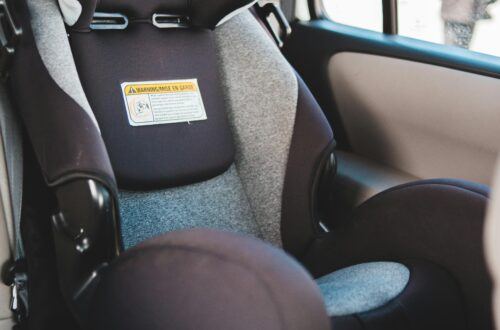
- Bring an Approved Car Seat: If you opt for the extra seat, make sure to bring an FAA-approved car seat to ensure the highest level of safety for your baby.
- Plan Ahead: Research reviews and forums to gather insights from other parents who have made similar choices. Their experiences can help guide your decision-making process.
- Pack Essentials Wisely: Whether or not you buy an extra seat, having items like diapers, snacks, and favorite toys within easy reach can make a big difference during your flight.
By planning ahead and organizing your travel essentials, you can smooth the way for a more relaxed trip and better manage any challenges that might arise.
So, Should You Buy a Seat?
There’s no one-size-fits-all answer—only what’s best for your baby, your budget, and your travel needs.
Here’s a quick summary:
| Situation | Lap Infant | Buy a Seat |
|---|---|---|
| Short flights (under 2 hrs) | ✅ Common choice | Optional |
| Long flights or red-eyes | 😬 Fatigue risk | ✅ Recommended |
| Budget constraints | ✅ Helpful | 💸 Not always doable |
| Need for sleep/time to yourself | 🚫 Hard to manage | ✅ Ideal |
| Safety concerns | 🚫 Less secure | ✅ Best option |
What Real Parents Had to Say:
- We bought a seat for our 9-month-old and brought the car seat. It was a game-changer. She napped better, and we had our hands free!”
– @TravelMomAdventures - “For short flights, we always traveled with our baby as a lap infant. It saved us hundreds, and we just took turns holding him.”
– @BudgetFamilyFlyers - “If your baby is a light sleeper, a separate seat is worth every penny. More space, more sleep, and less stress!”
– @SleepyBabyNomads - “Lap infant worked fine when she was small, but once she hit 18 months—never again without a seat! She needed her own space.”
– @TiredMamaTravels - “Our baby was calm with us during a short flight. But on a red-eye? Total meltdown. A separate seat would’ve helped us all rest better.”
– @FamilyFlightFails - “Safety was our top concern. We bought a seat and used the FAA-approved car seat. It gave us peace of mind during turbulence.”
– @SafeSkiesMama
Frequently Asked Questions
Q: Is it necessary to buy an extra seat for my baby to ensure safety?
A: No, it isn’t necessary. The FAA allows infants under two to travel on a parent’s lap. However, buying an extra seat gives you the option to install a car seat, which many parents feel provides extra security during turbulence.
Q: For how long is an extra seat truly beneficial?
A: For shorter trips, holding your baby might be completely adequate. On longer trips, however, a separate seat can offer more comfort and help your baby sleep better, making the extra expense worthwhile for some families.
Q: Can I use my car seat in an airplane?
A: Yes, as long as your car seat is approved for air travel and meets the airline’s regulations. Always check your airline’s policy and certification requirements before you travel.
Q: Do other parents recommend buying a separate seat?
A: Opinions vary. Some parents report that the extra space and safety features make a big difference, especially on longer flights, while others find that keeping the baby on your lap works well and helps to save money.
Wrapping Up
Deciding whether to purchase an extra airplane seat for your baby can be challenging. There are many factors to consider, including safety, comfort, cost, and flight duration. On one hand, an extra seat offers the potential for improved security and a more relaxed trip by allowing the installation of an approved car seat and providing extra space. On the other hand, the high costs and the effectiveness of holding your baby on your lap are important factors that appeal to many families.
Expert guidelines from the FAA and AAP reassure parents that infants are generally safe on a parent’s lap; however, having a dedicated seat may add a level of comfort and peace of mind that some find invaluable on longer trips. In the end, it all comes down to what works best for your family’s needs and budget. With careful planning, reviewing airline policies, and organizing travel essentials in advance, you can ensure that your next trip is as smooth and enjoyable as possible. Bon voyage and happy travels on your next trip!